For sellers · Price testing
Price testing: what would people really pay?
Price testing can begin with a £24 desk clock and one useful question: does that price feel low, fair or high for what people can see? A quick pricing survey gives you pricing feedback with a reason from each UK adult. If you ask “would you pay for this?”, treat the replies as clues to an objection, not evidence of a purchase. We aim for first answers in about 15 minutes in UK daytime; replies may take longer for now.
We review requests by hand.

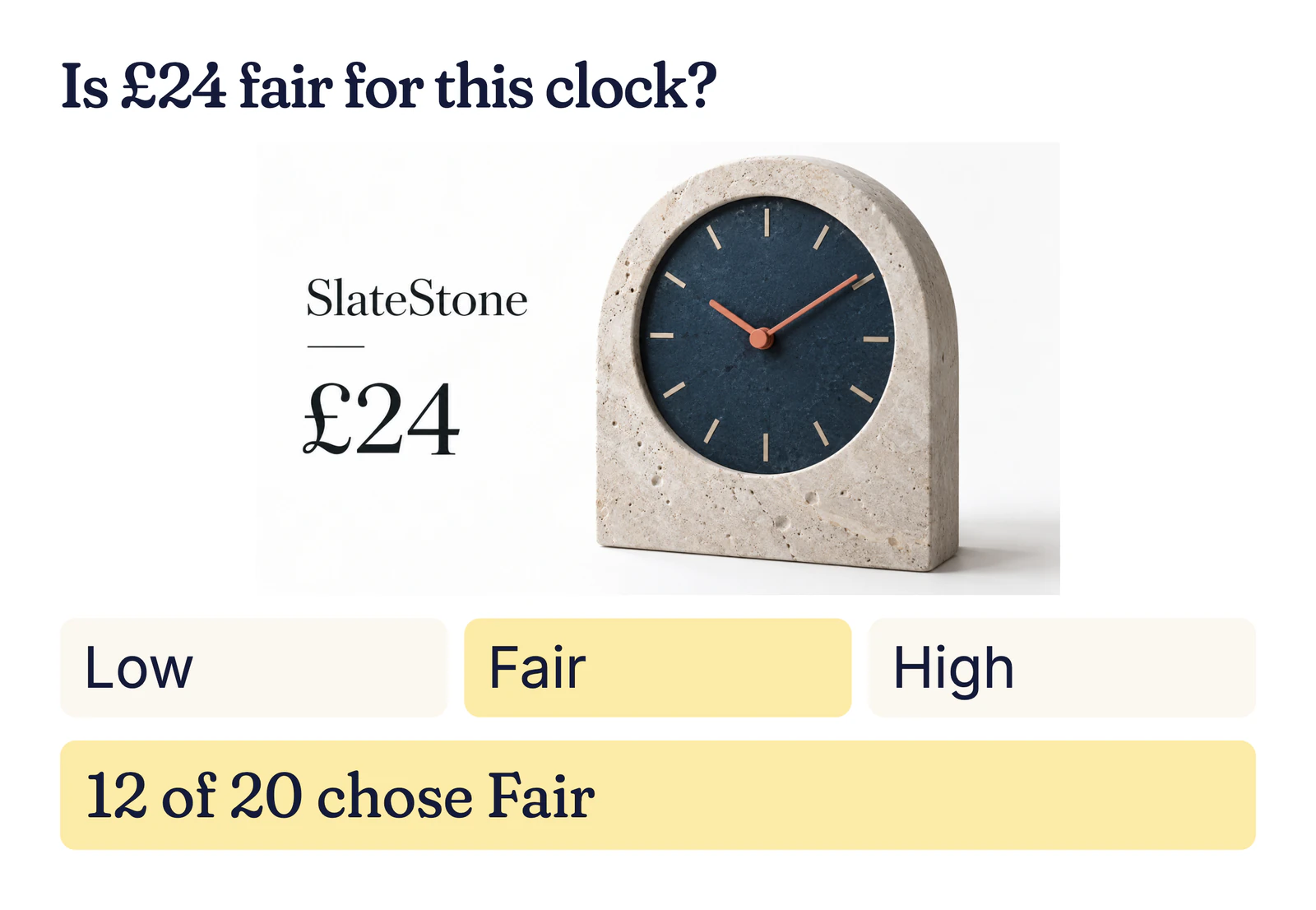
Would you pay for this? Questions to try
Show the item as it would appear for sale, with the price visible. Keep the question separate from a sales pitch.
- Example: Is £24 fair for this SlateStone limestone desk clock: low, fair or high?
- How likely would you be to buy it at £24, from 1 to 5?
- What is your first impression of the product at this price?
Those low, fair and high bands work in a pick-one today. A numeric price-check format is planned for later. If you want to compare two or three fixed prices, keep the product presentation constant.
What pricing feedback tells you
Illustrative SlateStone example: 12 of 20 call £24 fair, five high and three low. Several reasons ask to see the limestone finish more clearly. The seller has a concrete next step: improve the photograph and explain the material before lowering the price. A pricing survey like this records stated reactions; it cannot find the revenue-maximising price or predict purchases.
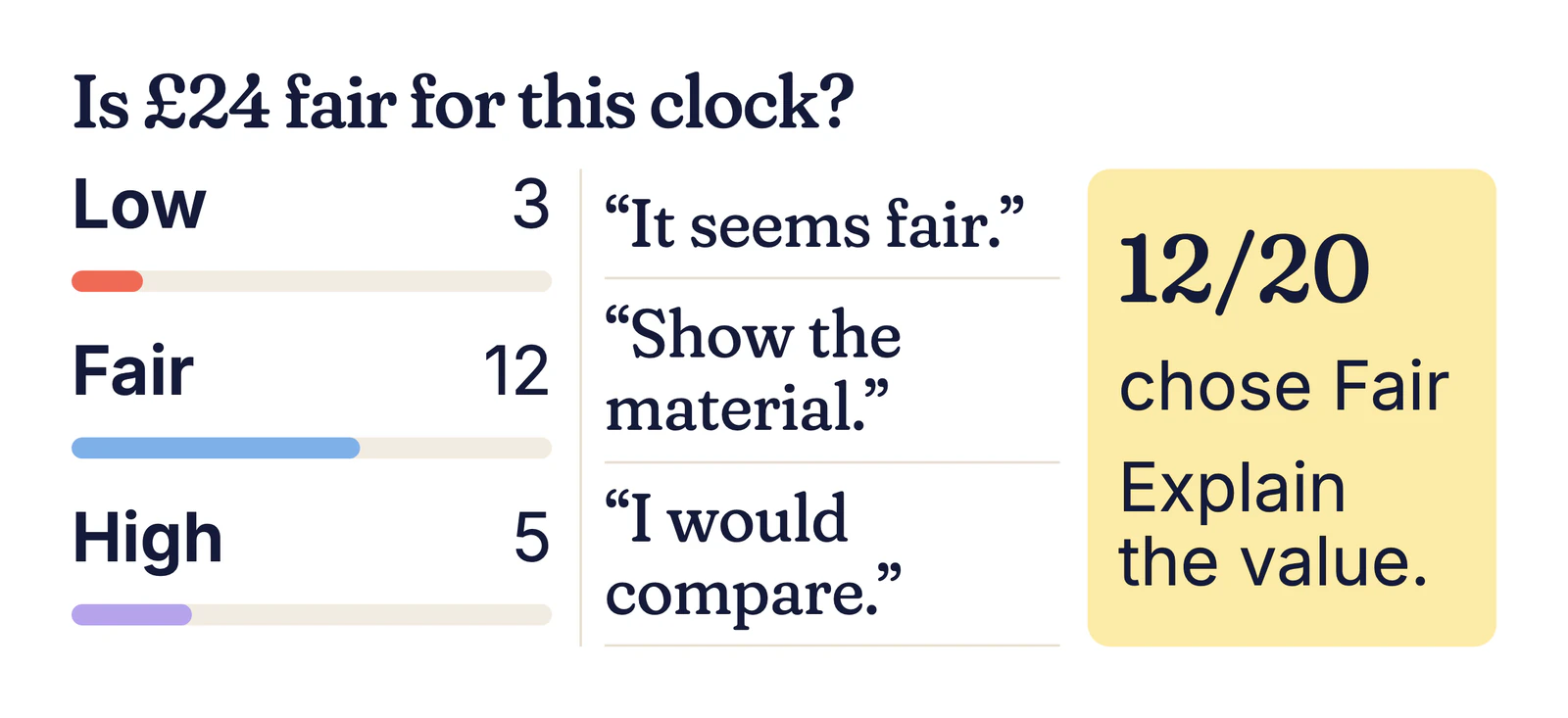
How a pricing survey works
- Upload a picture that shows the item, its size and the proposed price.
- Choose a neutral pick-one or 1-to-5 question and a pool of 5 to 50 UK adults. They answer blind.
- Read the split and every reason. Compare the reaction with your costs, competing offers and any sales data you already have.
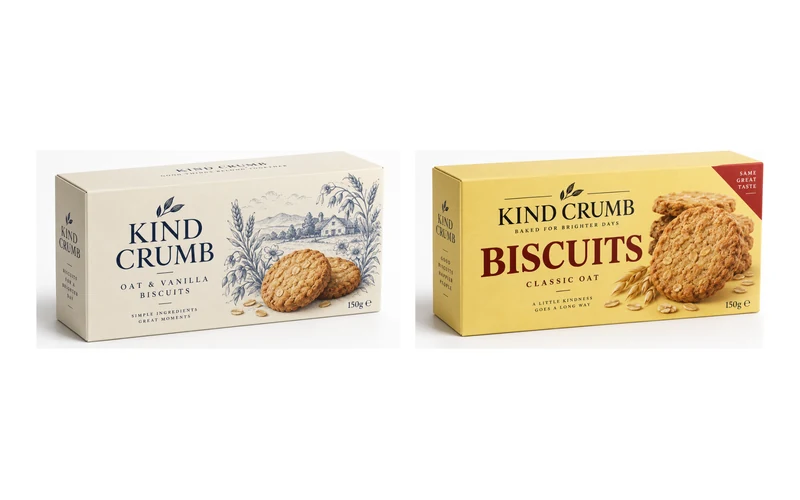
Browse other quick tests when the product image or packaging may be affecting the price reaction.
What a quick price test cannot tell you
People outside the business do not know the hours or margin behind a clock. They judge what the listing shows. If the material is unclear, a high-price reaction may be about the photograph as much as the number. Each answer has a signed receipt listing its checks; read what those checks cover.
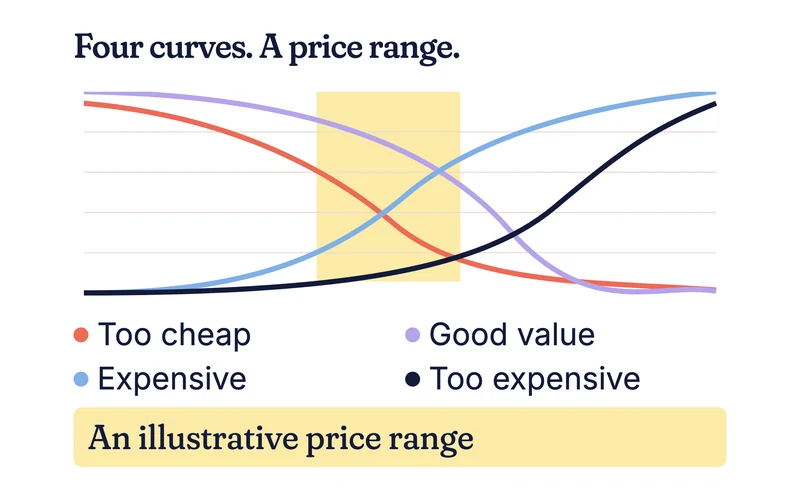
Honest limit: Saying a price feels fair is different from buying. This is a mixed UK pool, not your customers. The full numeric price check, sometimes used with the Van Westendorp method, is Later; read the price research guide before applying that method. Do not treat a small split as an optimal price.

What price testing costs
Asking is free during early access. At paid launch, quick takes start from 30p an answer plus 50p a question (launch example). Twenty quick takes would be about £6.50, and you see the quote before posting.

Your questions, answered
How do I test a price before launch?
Show a realistic product image with the price on it, then ask whether the price feels low, fair or high. Read the reasons before changing the number. If people cannot see the size or material, repair the listing first; a price vote on an unclear offer is hard to use.
How do I price a new product?
Start with the costs and margin you need, inspect comparable offers, then test how people react to the finished proposition. A quick test can uncover missing value cues or objections. It cannot replace sales evidence, so revisit the price once real buyers have made a choice.
What pricing feedback should I ask for?
For a quick check, ask whether a displayed price feels low, fair or high, or compare two or three fixed prices. More involved price research asks several numeric questions and uses a different method. Today's product supports pick-one, rating and first impression; numeric price checks are planned for later.
Is ‘would you pay for this’ a reliable question?
“Would you pay for this?” can bring out doubts about size, quality or use, but a stated yes is not a sale. Someone may like the idea without having the budget. The SlateStone example points to a clearer material photograph, which is a more useful first change than treating the 12-to-five-to-three split as a price forecast.
Can I test three prices at once?
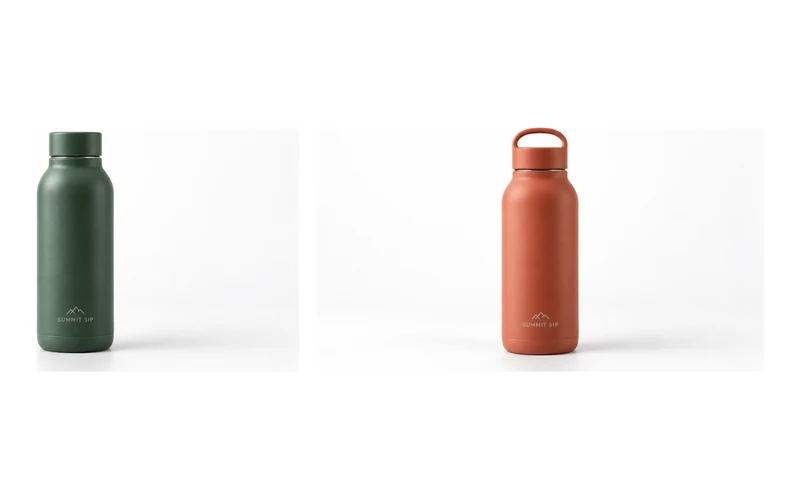
Yes, as three fixed pick-one options if the choice is clear. You can also show one price on a product image and ask whether it feels low, fair or high. Keep the item and presentation consistent so the result is about the price, not another change.
What does a price test cost?
The early-access price question is free. At the example paid-launch rate, 20 reactions to a displayed price would be about £6.50: 30p per answer plus 50p for the question. Read the quote before posting. This is a check on how the offer looks at that price, not a forecast of sales or a full pricing study.
Find out what people really think.
Free during early access. No card needed.
Free during early access. We review requests by hand. Have an invite code? Join