Guide · Tax basics
The £1,000 trading allowance, explained
About 7 minutes to read.
What is the £1,000 trading allowance in the UK? It can cover up to £1,000 of gross trading income in a tax year, but the kind of work you do and whether you already file a tax return affect what happens next. This trading allowance UK guide explains the checks. General information, not tax advice.
Key points
- The £1,000 limit applies to gross trading income before costs, across your relevant trading activities in one tax year (HMRC).
- If that total is £1,000 or less, you may not need to tell HMRC, but there are exceptions and you must keep records (HMRC).
- Above £1,000, check whether you need Self Assessment. You may be able to deduct the allowance instead of your actual expenses (HMRC).
- Money received through an online platform can count towards the same total. Platform reporting to HMRC does not replace your own check (HMRC).
What is the £1,000 trading allowance?
The trading allowance is an annual tax relief for individuals with certain trading income. HMRC includes self-employment, casual services such as gardening, and hiring out personal equipment among its examples. The tax year runs from 6 April to 5 April. If you have several relevant sources of trading income, you add them together for the year; you do not get a separate £1,000 allowance for each website or activity (HMRC).
Use gross income for the first check. That means the full amount received before you subtract platform fees, supplies or other costs. For example, if a service pays you £80 and your costs are £20, the amount to compare with the allowance is £80, not £60. This distinction matters most when you have small receipts from several places.
Trading allowance UK: who can use it?
The allowance is for qualifying income earned by an individual. It does not apply to trading income from a partnership. HMRC also rules it out where the income comes from your employer, your spouse or civil partner’s employer, or a company or partnership controlled by you or someone connected to you. Check the HMRC eligibility guidance before treating a payment as covered.
Property income has a separate £1,000 allowance with different conditions. Selling an old possession you bought for your own use is usually different from trading. Buying items to resell or making goods to sell may be trading, even if you describe the activity as a hobby. HMRC’s online-platform checker explains these distinctions.
Under £1,000 versus over £1,000
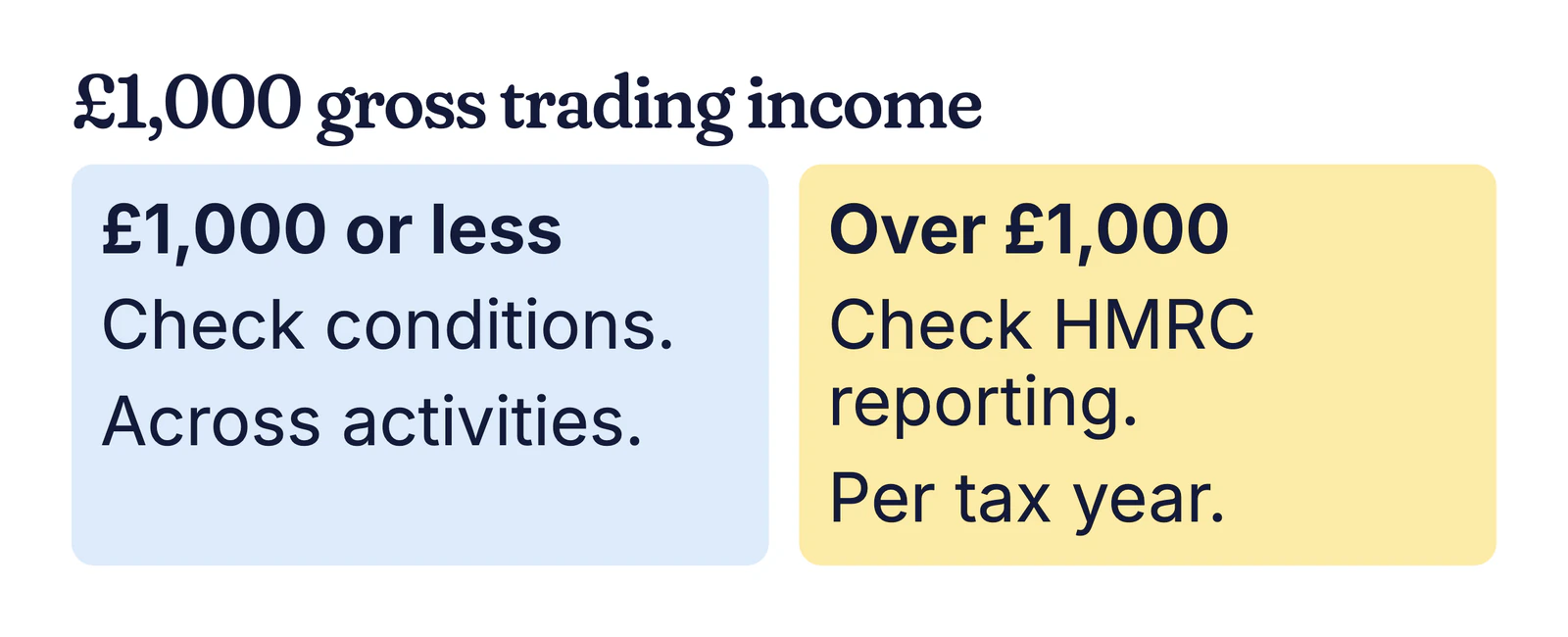
If your annual gross trading income is £1,000 or less, HMRC says you may not have to tell it about that income. This is called full relief. It is not a blanket exemption from filing: other income, an existing Self Assessment requirement or an exclusion from the allowance may change what you must report. Keep a record of the receipts even when you do not need to submit a return.
If the total is over £1,000, HMRC says you must tell it about the trading income and may need to register for Self Assessment. If you already complete a return, include the income there. Use HMRC’s additional-income checker for your own circumstances rather than relying on a rule of thumb from an earning app.
Allowance or expenses: which should you use?
Above the threshold, you may choose to deduct up to £1,000 of trading allowance from relevant gross income instead of deducting actual expenses. You cannot claim both against the same income (HMRC). Compare the two routes using your records before you file.
Example: You receive £1,600 from casual work during a tax year and spend £250 on allowable costs. A £1,000 allowance would leave £600 before other tax rules; deducting £250 of costs would leave £1,350. In this simple illustration the allowance gives the larger deduction. If your allowable costs were £1,200, the expenses route could be better. These figures are illustrative, not a calculation of tax due. Other income and your circumstances still matter.
Online platforms and HMRC reporting
HMRC says a platform that helps people sell goods or services may have to collect and report details. This does not mean every reported receipt is taxable, and it does not create a new £1,000 allowance for each platform. HMRC says to assess your total for the tax year, even if a platform gives you a calendar-year statement. Combine receipts from all relevant work before you use the checker.
Platform reporting also does not settle whether your activity counts as trading. HMRC distinguishes selling personal possessions from buying or making things for resale, and gives separate examples for services and online content. If that boundary is unclear for you, use the official checker or speak to a qualified tax adviser.
What records should you keep?
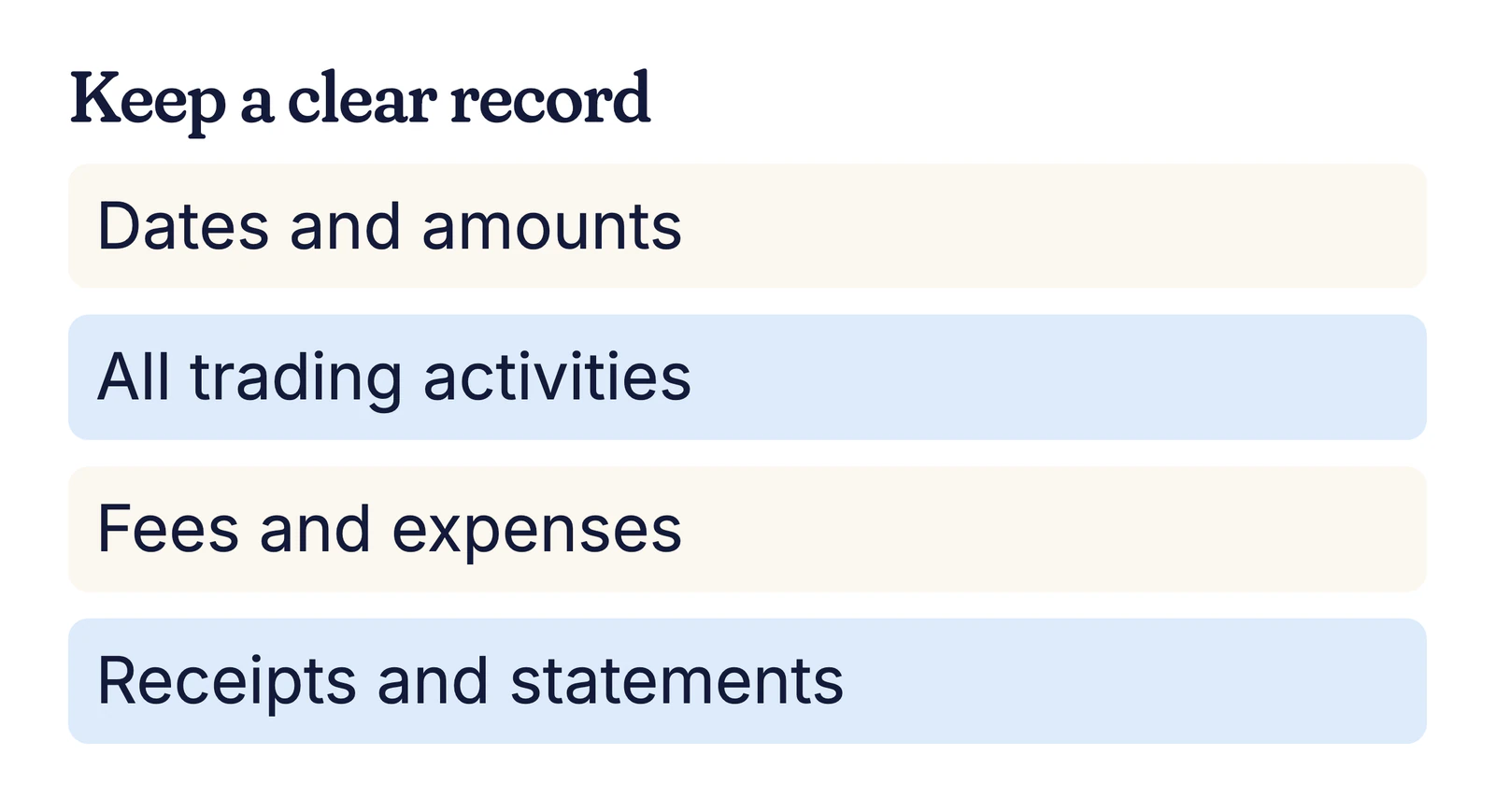
Record the date, source and gross amount of each payment. Keep invoices, platform statements, confirmation emails and bank records that let you explain the total. If you might compare the allowance with actual expenses, record those costs and their evidence as well. HMRC says records must be accurate, complete and readable.
A simple spreadsheet can work for small amounts. Give each tax year its own tab and note which payments came from which platform. That makes it easier to spot when your combined gross income approaches the threshold, and to answer questions if HMRC asks later. For record-retention rules, follow HMRC’s guidance on what to keep and its linked page on how long to keep it.
Where PennyForYours fits
Answering is free during early access while we build our founding community. Paid answers start at launch, so there is no PennyForYours income to add to this calculation now. If paid questions open and you take part, keep records of what you receive alongside any other relevant income. See how answering will work.
Sources
General information, not tax advice. Official sources checked 7 October 2026:
- HMRC: Tax-free allowances on property and trading income, including eligibility, thresholds and records.
- HMRC: Check income from online platforms, including personal possessions and platform reporting.
- HMRC: What records to keep.
- HMRC: Check if you need to tell HMRC about additional income.