Guide · Is it worth it?
Is it worth doing surveys for money?
About 6 minutes to read.
Is it worth doing surveys for money? Some survey sites do pay, but the answer depends on the time you spend qualifying, what you can withdraw and whether you enjoy the questions. We checked the published payout rules below on 7 October 2026; we did not test withdrawals ourselves.

Key points
- Legitimate survey platforms do pay, but their tasks, rewards and withdrawal rules differ.
- Count the time you spend finding and qualifying for a survey, not only the time inside it.
- A withdrawal minimum can matter more than the reward shown on one task.
- Do not pay to join a survey site. Read how it pays before you give it personal details.
- Keep records of any income and check HMRC’s trading-allowance guidance.
Do survey sites actually pay?
Yes, some do. Prolific says participants can withdraw an approved balance once it reaches its usual £6/$6 threshold. Qmee says its UK users can cash out to PayPal without a minimum, while some gift cards have set amounts. Those are published terms, not a record of us receiving a payout. Check each platform’s latest terms before joining, because a payment method that works for one person or country may not work for another.
“Paid survey” covers different things. One site may offer academic studies that take several minutes; another sends short commercial questions; another rewards you with points rather than pounds. Compare what you actually receive, how long approval takes and how you can withdraw it. A displayed reward is only useful if you qualify, finish and can cash it out.
How to work out if a survey is worth your time
Keep a simple note for a week: minutes spent looking for tasks, minutes spent on screeners, minutes answering, rewards approved and money withdrawn. This is more revealing than a headline claim about pay because it includes the work that earns nothing. A site with a generous-looking task can disappoint if you spend longer trying to qualify than answering.
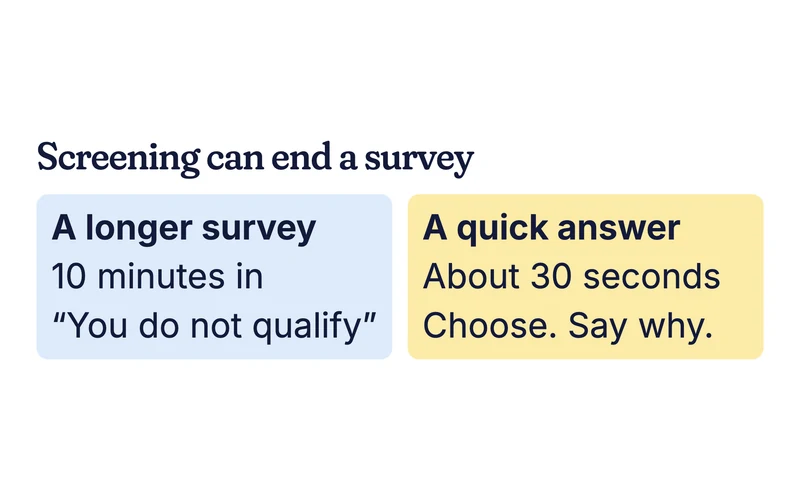
Example, not a platform result: You spend five minutes checking a survey and are screened out. The next one takes eight minutes and earns 30p. You have spent thirteen minutes to earn 30p, and you may still need to reach a withdrawal minimum. Another day might go better, but the example shows why the reward on one completed survey cannot describe the whole experience.
Choose a target that matters to you. If you want a small amount of money for otherwise idle time, surveys may suit you. If you need a dependable weekly amount, the variable supply and screen-outs make them a poor foundation. Your time also has value when you would rather be resting, studying or doing another kind of work.
What eats into survey earnings?
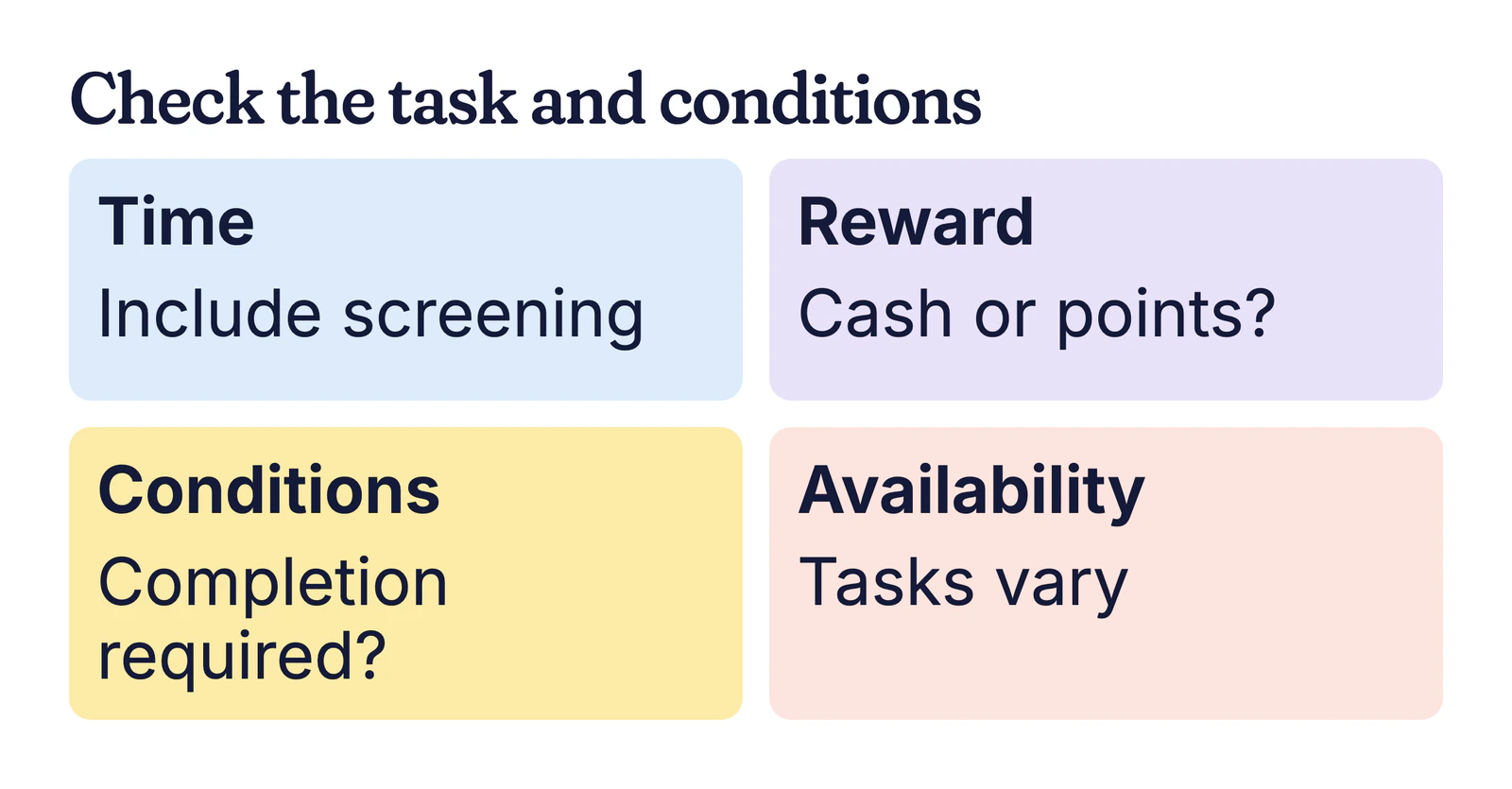
Screen-outs happen when a researcher needs a particular group or has filled its quota. Some sites ask screening questions before the full survey; others may screen you after you have spent time on it. Fill in your profile accurately and answer consistently, but do not invent details to qualify. That can get an account closed and gives the researcher poor data.
Look at the payment route next. An approved reward and money you can spend are not always the same thing. Keep any balance below a cash-out minimum separate in your notes, and check whether approval, currency conversion, gift-card restrictions or expiring points change what you receive. Those details may matter more to you than the largest task reward shown on screen.
Take care with personal data. A legitimate platform should explain what it collects and why. A survey that asks for a password, banking login or more identifying information than its purpose needs deserves scrutiny. Read the privacy terms and close the page if the request does not make sense to you.
When is it worth doing surveys for money?
At the end of your trial week, look at completed tasks, screen-outs, time spent and money you could actually withdraw. Keep an approved but inaccessible balance in a separate column. If most of your time went on finding or qualifying for work, a different site or a different kind of task may suit you better. If the questions were interesting and the rewards cleared, you have a reason to continue.
Never pay a joining fee for the promise of surveys. Check that the provider explains its reward method, support route and privacy terms. If a site claims a fixed income from spare moments, ask what happens when there are no surveys for your profile. Published terms and your own completed tasks are better evidence than a ranking list.
Alternatives to paid surveys
Selling an unwanted item can bring money sooner, but involves photographing it, dealing with buyers and delivery. Freelancing can pay more for a skill, though finding a client takes effort. Micro tasks offer smaller pieces of work, often with separate qualification and payout rules. Our spare-time options page compares the work each route involves.
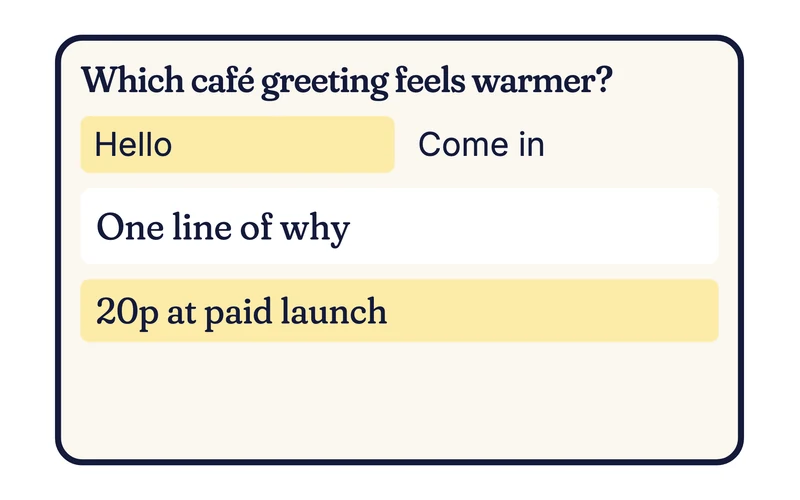
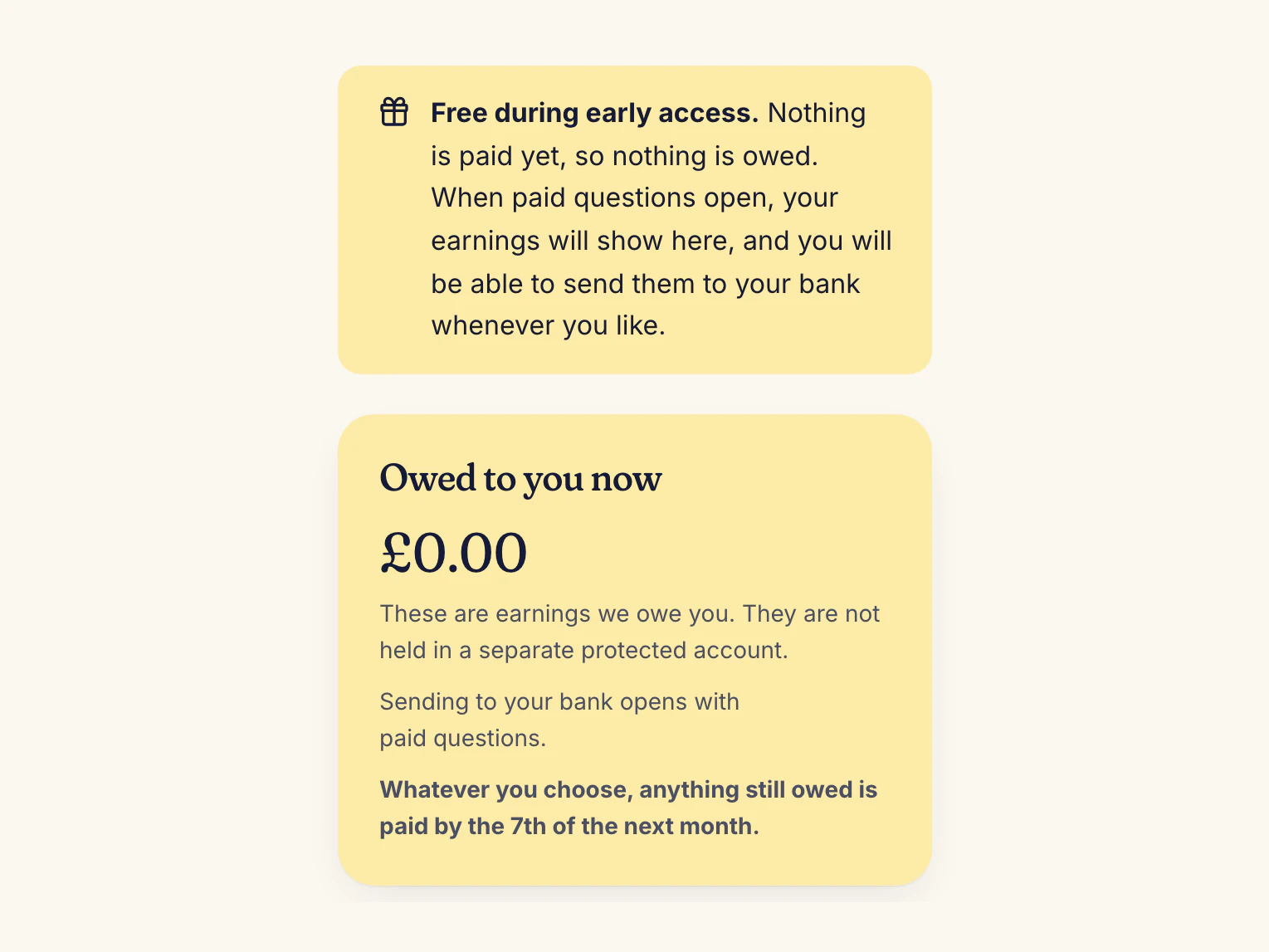
PennyForYours is designed for one short opinion at a time rather than a long survey. Members will choose a question, see the pay before they answer and skip any they do not want. During early access, however, answering is unpaid and there is no promise of paid work later. That distinction matters if you came here looking for income now.
Income from surveys or similar work may be taxable. The trading allowance guide explains the UK starting point and links to HMRC. General information, not tax advice.
Where PennyForYours fits
We do not run full surveys today. PennyForYours offers quick, single-question takes without a screen-out after you start; a question may fill before you choose it. Answering is free during early access while we build our founding community. Paid answers start at launch. The example member pay at paid launch is about 20p for a quick take, with no launch date or promise of available work. See how quick questions compare with surveys.
Sources
Official pages checked 7 October 2026. We did not create accounts or test withdrawals:
- Prolific: how it works for participants, including approved-balance cash-out.
- Qmee: UK frequently asked questions, including PayPal cash-out.
- Qmee: UK terms, including gift-card conditions.
- HMRC: tax-free allowances on property and trading income.